WhatsApp that answers back.
Connect the WhatsApp Business account you already have. Your agent sends the approved template, then handles whatever the customer replies, in their language, inside the window WhatsApp allows.
Hi first_name, your appointment with business is confirmed for date.
A business cannot open a WhatsApp conversation without one of these.
They reply, the clock starts
24-hour window
Inside it the agent writes freely, in their language, as many turns as the conversation needs. Outside it, back to templates.
What your WhatsApp agent does
The template opens it, the agent runs it
WhatsApp only lets a business start a conversation with a pre-approved template. Once the customer replies, the agent takes over and writes freely for the next 24 hours, which is where the actual work happens.
It picks the right language
Templates carry language variants. The agent sends the one closest to the contact's preferred language, and if that variant is not approved yet, the message is skipped with the reason rather than going out in the wrong language.
Nothing sends half-filled
A template with a placeholder that has no value is held back rather than delivered with a gap where the name should be. You see which contact it was and why.
One conversation, not a thread per tool
The same agent that called the customer handles the WhatsApp reply. It reads the recent exchange first, so the conversation continues rather than restarting.
It respects your list
Contacts on your do-not-contact list are held back before anything sends, and the agent only sends inside the engagement days and hours you set.
You keep the number
This runs on your WhatsApp Business account and your number. Connect it, assign an agent, and the conversations stay yours if you ever leave.
The basics
What is the WhatsApp Business API?
The WhatsApp Business API is how software sends and receives WhatsApp messages on behalf of a business, as opposed to the WhatsApp Business app a person taps through by hand. It exists because WhatsApp will not let businesses message people freely: a conversation a business starts has to begin with a template Meta has reviewed and approved.
What that means in practice is two different modes. Business-initiated messages are templates with placeholders, reviewed before you can use them. Replies are free text, but only inside the 24 hours after the customer last wrote. Callsy handles both: it sends the approved template, and the agent answers whatever comes back while the window is open.
Before you plan a campaign
Marketing templates to US numbers mostly fail
WhatsApp sorts templates into three kinds: utility, which follows up on something the customer already did, authentication, which carries one-time codes, and marketing, which promotes. The approval bar rises accordingly, and marketing is where it bites. In one team's account, eight of nine marketing templates sent to US numbers were refused.
That is not a Callsy limit and we cannot engineer around it. It is worth knowing before you build a plan on it, because it decides where WhatsApp belongs: strong for reminders, confirmations, delivery updates and support in markets where WhatsApp is the default messenger, weak as an outbound marketing channel into North America.
For US consumers, iMessage does the job WhatsApp cannot here. It needs no template and no approval queue, so your agent can open the conversation in plain text. Keep WhatsApp for the markets where everyone already lives in it.
Who runs it
Yuki runs Booking.
Yuki runs reminders and confirmations, which is what WhatsApp is best at. She sends the utility template, reads the reply, and moves the appointment if that is what they asked for.
Meet the rest of the team
One agent, every channel it needs
The channel is a setting, not a separate product. The same agent calls, texts, emails and messages.
Don’t read about it. Let it call you.
Drop your number and email. Confirm with one tap and Callsy’s AI agent rings your phone in about 30 seconds, talks like a real person, and shows you exactly what your customers would hear.
- You confirm by email, then your phone rings in about 30 seconds
- Hear exactly what your customers would hear
- The AI says it’s AI, every time
- Just this one call. No marketing list, no signup

Drop your number. John rings you in 30 seconds, using your business name. Hang up any time.
Built by founders, not a committee.
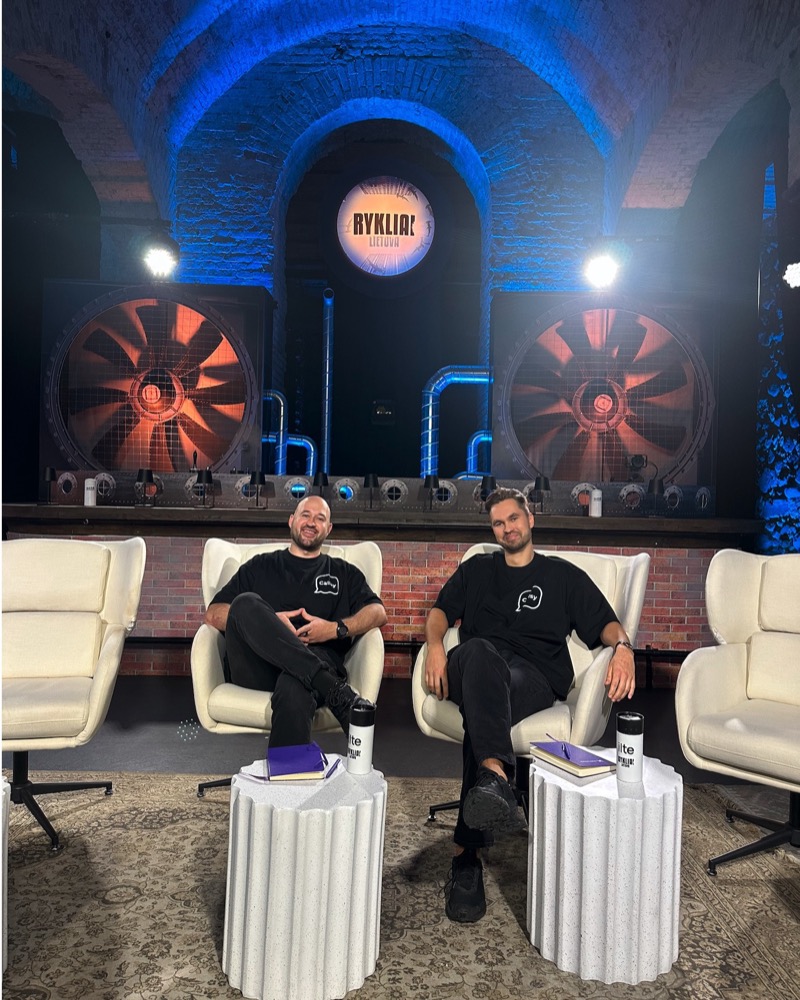
We're Arunas and Laimonas. We started Callsy because every D2C founder we talked to was losing revenue at checkout, and email recovery had plateaued. Voice was the obvious answer. AI finally made the unit economics work. If you're in the same spot, let's talk.
No pitch deck. Just a live walkthrough of your setup.
WhatsApp FAQ
Do I need a template to message someone on WhatsApp?+
To start the conversation, yes. WhatsApp requires a pre-approved template for any message a business initiates, and only a template with an approved language variant can be sent. Once the customer replies, the agent can write free text for the next 24 hours. After that window closes, you are back to templates until they write again.
What happens when the 24-hour window closes?+
Free text is no longer allowed and the message is skipped with the reason recorded rather than silently failing. The next contact has to be a template again. In practice this shapes how you use the channel: open with a template that invites a reply, then do the real work inside the window the reply opens.
Can I use WhatsApp for marketing campaigns?+
You can, with the caveat that it depends heavily on the market. Marketing templates face the strictest review of the three categories, and marketing templates sent to US numbers mostly fail. WhatsApp earns its place on reminders, confirmations, delivery updates and support, and in countries where WhatsApp is the default messenger. For outbound to US consumers, iMessage is the better fit because it needs no template at all.
Which WhatsApp number does it send from?+
Yours. You connect the WhatsApp Business account you already run, assign an agent to it, and messages go out from that number. Customers see the business they already know, and the account stays yours.
What language do the messages go out in?+
Templates carry language variants, and the agent sends the variant closest to the contact's preferred language. If that variant has not been approved, the message is skipped and recorded rather than sent in a language the customer did not expect. Free-text replies inside the 24-hour window are written by the agent, which answers in the language the customer is using.
Is WhatsApp included in my plan?+
Yes. WhatsApp is a channel, not an add-on tier. Pro, Scale and Custom all include voice, SMS, email, WhatsApp and iMessage, drawing on the same action balance. You bring your own WhatsApp Business account. See the pricing page for what each plan includes.
Put an agent on the number people already message you on.
5-minute setup. Bring your own WhatsApp Business account.