One agent. Five channels. One brief.
Voice, SMS, email, WhatsApp and iMessage, run by the same agent with the same instructions. The customer who was called on Tuesday is not greeted like a stranger on Thursday.

Carla
One agent · One brief
- VoiceCalls and books
- iMessageNo limit, read receipts
- SMS160 characters, everywhere
- WhatsAppTemplate, then 24 hours
- EmailYour domain, room for detail
What your omnichannel agent does
Voice
It calls, qualifies, books into the calendar and warm-transfers the ones that need a person right now. This is the channel the rest fall back from.
iMessage
Blue bubbles, no character limit, emoji and accents intact, and real delivery and read receipts. Falls back to RCS and SMS on its own where the phone cannot take it.
SMS
Reaches every phone. One 160-character segment, emoji and accents stripped, so write it tight. Best as the universal fallback rather than the first choice.
Strong in the markets where it is the default messenger. A business-initiated message needs an approved template, then free text for 24 hours after they reply.
From your own domain, with an agent behind the address that reads the reply rather than filing it. Room for detail the other channels do not have.
The agent, not the channel
Channel is a setting on the agent, not a separate product with its own login. Change the brief once and it changes everywhere.
The basics
What is a customer engagement platform?
A customer engagement platform is where the conversations with your customers happen across every channel they use, rather than one tool per channel with nothing joining them up. The test is simple: when a customer who got a call replies to a text two days later, does anything know those are the same person and the same conversation?
Callsy answers that by making the agent the unit rather than the channel. One agent has a name, a voice, a brief and a set of tools, and it works across voice, SMS, email, WhatsApp and iMessage. It reads the recent exchange before it answers, whichever channel the answer arrives on.
How to choose
Pick the channel the message needs
The channels are not interchangeable and the honest version is more useful than a feature grid. Voice is for anything worth a conversation and anything urgent. iMessage is for anything that has to read like a person wrote it, which is most of what you would want to say to a US consumer. SMS reaches everyone and should carry the short, universal messages, because it strips emoji and accents and refuses anything over 160 characters.
WhatsApp is strongest where it is already the default messenger, and weakest as outbound marketing into North America, where most marketing templates are refused. Email is where detail lives, and where the reply can be long enough to be worth reading.
You do not have to decide this per message. Give the agent the channels you want it to use and the order to try them in, and it falls back on its own: a call that is not picked up becomes a text, and the text that gets a reply becomes a conversation.
Who runs it
Carla runs Inbound sales.
Carla works every channel the same way. Same brief, same tone, whether she is on the phone or in a thread.
Meet the rest of the team
One agent, every channel it needs
The channel is a setting, not a separate product. The same agent calls, texts, emails and messages.
Don’t read about it. Let it call you.
Drop your number and email. Confirm with one tap and Callsy’s AI agent rings your phone in about 30 seconds, talks like a real person, and shows you exactly what your customers would hear.
- You confirm by email, then your phone rings in about 30 seconds
- Hear exactly what your customers would hear
- The AI says it’s AI, every time
- Just this one call. No marketing list, no signup

Drop your number. John rings you in 30 seconds, using your business name. Hang up any time.
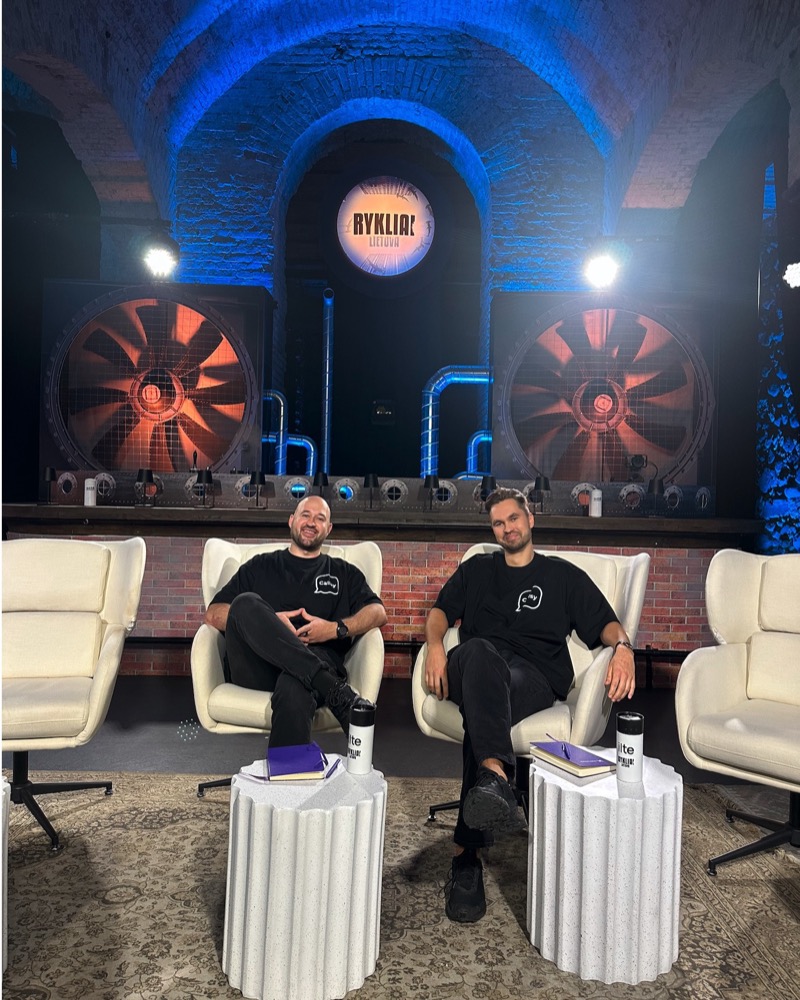
Built by founders, not a committee.
We're Arunas and Laimonas. We started Callsy because every D2C founder we talked to was losing revenue at checkout, and email recovery had plateaued. Voice was the obvious answer. AI finally made the unit economics work. If you're in the same spot, let's talk.
No pitch deck. Just a live walkthrough of your setup.
All channels FAQ
Which channels does Callsy support?+
Voice, SMS, email, WhatsApp and iMessage. All five are included in every plan rather than gated behind a higher tier, and each agent can be set to use one of them or several, in the order you choose.
Does the agent remember a conversation across channels?+
Yes. The agent reads the recent exchange with that contact before it answers, so a customer who was called on Tuesday and texts on Thursday gets a reply that follows on rather than starting over. One contact, one history, whichever channel it arrived on.
What happens when a call is not answered?+
You set what happens next. The usual pattern is to try voice first and fall back to a text, because a missed call followed by a message that explains who was calling converts far better than a second attempt at the same hour. The fallback order is yours to set per agent.
Do opt-outs apply across all channels?+
Yes. There is one do-not-contact list per team and it holds for every channel. A stop keyword in a reply adds that number to it, and a contact on the list is held back before anything sends, whether the next message would have been a call, a text, a WhatsApp or an iMessage.
Is this one tool or five?+
One. Channel is a setting on the agent rather than a separate product with its own login, pricing and inbox. You write the brief once and it applies wherever the agent works, which is the part that stops the customer noticing a seam.
What does it cost to use all five?+
The same as using one. Pro, Scale and Custom all include every channel, and messages and calls draw on the same action balance rather than being billed per channel. See the pricing page for what each plan includes.
Hire one agent, not five tools.
5-minute setup. Every channel included in every plan.