Your AI agent now texts customers in blue.
iMessage is a channel in Callsy. Your agent opens a real thread on the customer's iPhone, writes like a person instead of a 160-character short code, sees when the message is read, and answers when they write back.
- Hi Maya, it's John from Lumi. You left the ceramic kettle in your basket last night. Want me to hold it? There's one left in the sand colour.
- oh wow yes please 🙏 does it ship before Friday?
- It does. Order by 6pm today and it's with you Thursday. Here's the one I'm holding:
- Ceramic Pour-Over Kettle, Sand€89.00lumi.co
- bought it! thanks John
- Got it, order confirmed. I'll text you the tracking link Wednesday.Read 9:42 AM
The agent opens the thread, answers the question, and sends the product itself. Messages draws the card from the link, so one tap goes to checkout and the customer never leaves the conversation to find it.
What changes when the bubble turns blue
No 160-character cliff
An SMS is one 160-character segment. Go over and it is refused, not split. On iMessage there is no cap, so the agent can actually answer the question, paste the link, and sign off.
Your text arrives as you wrote it
The SMS pipeline rewrites everything into GSM-7 first. Emoji vanish, curly quotes flatten, accents are stripped. iMessage sends the characters you typed, so Lithuanian, Czech, Spanish, and French read correctly.
You see delivered and read
An SMS never reports either one, so you are guessing. iMessage reports delivered when it lands on the device and read when the customer opens it. That tells you whether silence means busy or gone.
No template to get approved
WhatsApp needs an approved template before you can open a conversation, and marketing templates to US numbers mostly get refused. An iMessage goes out as plain text, written for that one customer.
It replies, it does not just send
When the customer writes back, the message reaches the agent assigned to the number. It reads the recent exchange, uses its tools if it needs to check an order or a calendar, and answers once, not five times.
Your name sits at the top
The number is registered to your business, so the thread opens under your name and photo rather than a string of digits. The customer sees who is writing before they read a word of it.
It falls back on its own
Not every customer is on iMessage. The provider picks the route: iMessage first, then RCS, then plain SMS. You send one message and the customer gets it whatever phone they carry.
Side by side
iMessage vs SMS vs WhatsApp
| iMessage | SMS | ||
|---|---|---|---|
| Length limit | None | 160 characters, then refused | Template-bound |
| Emoji and accents | Sent as written | Stripped | Sent as written |
| Delivery receipt | Yes | No | Yes |
| Read receipt | Yes | No | Yes |
| To open a conversation | Plain text, write anything | Plain text, 160 chars | Pre-approved template only |
| Reaching US consumers | Native | Works, looks like a short code | Marketing templates mostly refused |
| Agent replies in-thread | Yes | Yes | 24-hour window, then template |
Every row is a platform rule, not a preference. Pick the channel the message needs: iMessage when it has to read like a person wrote it, SMS when the number will not take anything else.
The basics
What is iMessage for business?
iMessage for business means reaching a customer in the blue-bubble Messages thread on their iPhone rather than as a plain SMS. Four things change. There is no 160-character limit, so the message can actually say something. Emoji and accented characters arrive intact instead of being stripped. You get a delivery receipt and a read receipt, so you know whether silence means busy or gone. And the customer can reply in the thread, which turns a send into a conversation.
With Callsy, the agent on the other end is the same one that makes your calls. It reads the thread before it answers, checks an order or a calendar if it needs to, and replies once rather than firing off a message per line. Where a contact is not on iMessage, the same send falls through to RCS and then plain SMS on its own, so you write one message and everyone gets it.
At scale
One list in, a thousand conversations out
Point a campaign at a contact list and the agent opens an iMessage thread with each person on it, at whatever pace you set. The part that matters is what happens next: it handles every reply individually. One customer asks about shipping, another wants a discount, a third says wrong number. The agent answers each of them in their own thread, books what can be booked, and hands over the ones that need you.
The guardrails are the ones you already have on voice and SMS. Contacts on your do-not-contact list are held back before anything sends. A stop keyword in a reply adds that number to the list and gets no answer. And the agent only sends inside the engagement days and hours you set, so nobody's phone lights up at 2am.
The obvious question
How this differs from Apple Messages for Business
They are not the same product and it is worth being clear about it. Apple Messages for Businessis Apple's own programme. You apply for a Business ID, wait for approval, and in return your brand name and logo sit at the top of the thread. The catch is the direction of travel: the customer has to start the conversation by tapping a button in Maps, Safari, or your app. You cannot message them first.
Callsy sends from a phone number instead, registered to your business so your name and photo show at the top of the thread rather than a bare string of digits. There is no application and no approval queue, and your agent can open the conversation, which is the whole point when the job is recovering a basket or chasing a lead who went quiet.
What Apple's programme adds on top is the verified brand header and a place in Maps and Safari for customers to find you. What it costs you is the first move. If you need a support channel customers come to you through, Apple's programme is the right tool. If you need to reach out, this is.
One agent, every channel it needs
The channel is a setting, not a separate product. The same agent calls, texts, emails, and now messages.
Who writes them
John runs cart recovery.
He is the agent in the thread above. Same agent, same brief, whether the customer picks up the phone or replies to a message. You set the hours he works, the tone he writes in, and what he is allowed to offer.
Meet the rest of the team
Don’t read about it. Let it call you.
Drop your number and email. Confirm with one tap and Callsy’s AI agent rings your phone in about 30 seconds, talks like a real person, and shows you exactly what your customers would hear.
- You confirm by email, then your phone rings in about 30 seconds
- Hear exactly what your customers would hear
- The AI says it’s AI, every time
- Just this one call. No marketing list, no signup

Drop your number. John rings you in 30 seconds, using your business name. Hang up any time.
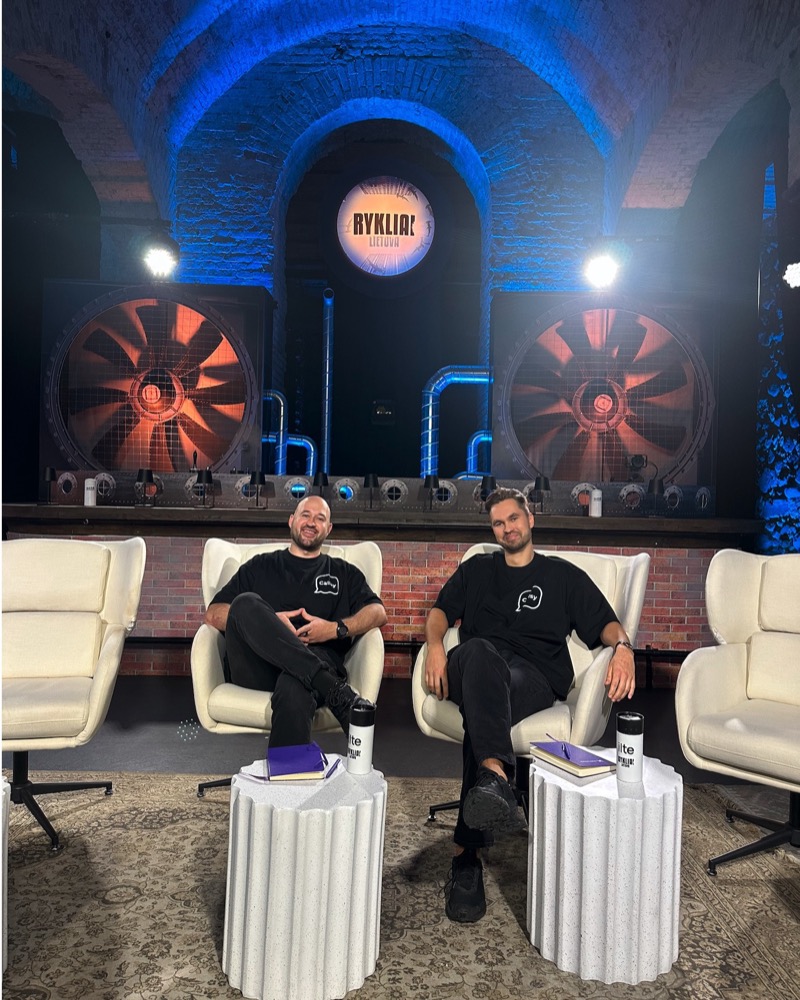
Built by founders, not a committee.
We're Arunas and Laimonas. We started Callsy because every D2C founder we talked to was losing revenue at checkout, and email recovery had plateaued. Voice was the obvious answer. AI finally made the unit economics work. If you're in the same spot, let's talk.
No pitch deck. Just a live walkthrough of your setup.
iMessage FAQ
What is iMessage for business?+
iMessage for business means reaching customers in the blue-bubble Messages thread on their iPhone instead of a plain SMS. The practical differences are that there is no 160-character limit, emoji and accented characters arrive intact, you get delivery and read receipts, and the customer can reply in the same thread. With Callsy, an AI agent sends the message and answers the replies, so it is a conversation rather than a broadcast.
Is this Apple Messages for Business?+
No, though you still get your branding. Apple Messages for Business is Apple's own programme: you apply for a Business ID, get approved, and in return you get a verified brand header plus a place in Maps and Safari for customers to find you. The catch is that they have to start the conversation. Callsy sends from a phone number registered to your business, so your name and photo still show at the top of the thread, there is no application or approval queue, and your agent can message first. If you need customers to come to you, Apple's programme is the right tool. If you need to reach out, this is.
What happens if the customer is not on an iPhone?+
The message still gets there. The provider picks the route for each contact: iMessage where the number is registered for it, RCS where the carrier supports that, and plain SMS otherwise. You write once and send once. Where it lands as SMS you lose the read receipt and the message has to fit the SMS rules, which is the one case where keeping messages short still pays.
Can the agent message everyone on my contact list?+
Yes, through a campaign. A campaign runs one workflow over a contact list at a pace you set, so the agent opens an iMessage thread with each contact and then handles whatever comes back, individually. Contacts on your do-not-contact list are held back automatically, and the agent only sends inside the engagement hours you give it.
How do opt-outs work on iMessage?+
The same way they do on SMS. A reply that is just a stop keyword puts that number on your do-not-contact list and gets no answer back. If someone asks to be left alone in their own words, the agent reads that, sends one short confirmation, and stops. Anyone already on the list is never messaged in the first place.
How do I get an iMessage number?+
iMessage runs on a number of your own rather than a shared one. You connect a Sendblue or Blooio account in the platform and the iMessage numbers on it become available to your agents, which is also where you register the business name and photo that customers see. From there it behaves like every other channel: assign an agent to the number and it sends and answers on its own. Numbers are US numbers today. If you want to see the setup before committing, start free and connect it during onboarding.
Is iMessage included in my plan?+
Yes. iMessage is a channel, not an add-on tier. Pro at EUR 99/month, Scale at EUR 299/month, and Custom all include voice, SMS, email, WhatsApp, and iMessage, and each message draws on the same action balance as the rest. See the pricing page for what each plan includes.
Your customers already read their blue bubbles. Be in them.
5-minute setup. iMessage included in every plan, no add-on tier.