Texts that get answered, not ignored.
Your agent texts the customer, reads what comes back, and handles it. Booking, reschedule, wrong number, send me the link. The reply goes to the agent that sent it, not to an inbox nobody opens.
What you typed
Labas Jūratė, jūsų užsakymas jau paruoštas 🎉
What arrives
Labas Jurate, jusu uzsakymas jau paruostas
Over 160 and the text is refused, not split in two.
What your SMS agent does
The reply reaches someone
Most business texting is a broadcast with a dead end. Here the reply lands with the agent assigned to the number, which reads the recent exchange and answers once, even if the customer sent four messages in a row.
It can check before it answers
The agent uses its tools mid-conversation. It can look up the order, read the calendar, and reply with the real answer rather than asking the customer to call you back during office hours.
Opt-outs handled for you
A reply that is just a stop keyword puts that number on your do-not-contact list and gets no answer back. Anyone already on the list is never texted in the first place.
It knows when to stop
If someone asks to be left alone in their own words rather than typing STOP, the agent reads that, sends one short confirmation, and lists the number. No argument, no retry.
Your hours, not ours
Texts go out only inside the engagement days and hours you set. A message that comes due at 2am waits for the next window and sends once, rather than waking the customer or being dropped.
One agent across channels
The same agent calls, texts, emails and messages. It is one brief and one personality, so the customer who was called on Tuesday is not greeted like a stranger on Thursday.
The basics
What is business text messaging?
Business text messaging is sending SMS from a number that belongs to your business rather than from a personal phone, and being able to receive the replies. The useful part is the second half. A text that can be answered becomes a conversation: the customer asks when it ships, says Tuesday works, or says wrong number, and someone deals with it.
With Callsy, the someone is an AI agent. It sends the text, reads the reply, checks the order or the calendar if it needs to, and answers. You get a conversation per customer instead of a send report, and the handful that need a person get handed over.
The part nobody mentions
160 characters, and your accents are gone
SMS is older and stricter than people expect, and we would rather you heard it here than after a campaign. Every text is rewritten into the GSM-7 alphabet before it is sent. Emoji are dropped. Curly quotes flatten. Accented letters lose their accents, so a Lithuanian or Czech text comes out stripped of every diacritic, and a Spanish or French one reads slightly wrong.
The length limit is harder still. A text is one segment of 160 characters after that rewrite, and a longer one is refused outright rather than split into two. Variables make it tighter than it looks: a first name is budgeted at 15 characters and a link at 30, so a template that fits in the editor can still be pushed over by a long name.
We handle this rather than hide it. Templates are checked when you save them and again against the real text before it sends, and an agent reply that runs long is trimmed to fit rather than failing. Where the message genuinely needs the room, or needs to carry emoji and accents intact, use iMessage instead and let it fall back to SMS for the phones that cannot take it.
Who runs it
Carla runs Inbound sales.
Carla works the replies. She picks up where the text left off, qualifies the ones worth your time, and books them in without passing anyone back to a queue.
Meet the rest of the team
One agent, every channel it needs
The channel is a setting, not a separate product. The same agent calls, texts, emails and messages.
Don’t read about it. Let it call you.
Drop your number and email. Confirm with one tap and Callsy’s AI agent rings your phone in about 30 seconds, talks like a real person, and shows you exactly what your customers would hear.
- You confirm by email, then your phone rings in about 30 seconds
- Hear exactly what your customers would hear
- The AI says it’s AI, every time
- Just this one call. No marketing list, no signup

Drop your number. John rings you in 30 seconds, using your business name. Hang up any time.
Built by founders, not a committee.
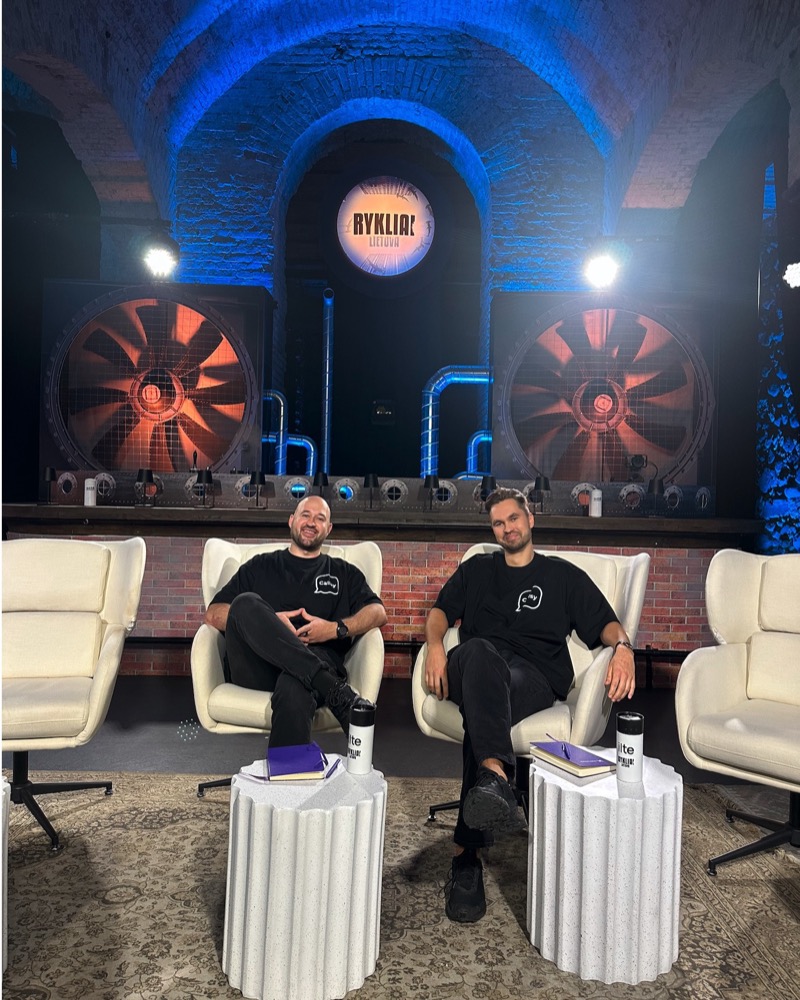
We're Arunas and Laimonas. We started Callsy because every D2C founder we talked to was losing revenue at checkout, and email recovery had plateaued. Voice was the obvious answer. AI finally made the unit economics work. If you're in the same spot, let's talk.
No pitch deck. Just a live walkthrough of your setup.
SMS FAQ
Can customers reply to the texts?+
Yes, and that is the point of it. A reply to a number you own reaches the agent assigned to that number. The agent reads the recent exchange before it answers, can use its tools to look something up first, and sends one reply rather than one per incoming message. Replies to a shared number are recorded but not answered, so if two-way matters, use your own number.
How do opt-outs work?+
A reply containing only a stop keyword, such as STOP or UNSUBSCRIBE, adds that number to your do-not-contact list and gets no reply. If someone asks to be left alone in their own words, the agent reads the intent, sends one short confirmation and nothing else, and lists the number. Contacts already on the list are held back before anything sends. One thing worth knowing: a STOP sent to a shared number stops texts to that person from every other shared number too, whichever business is sending them.
Why was my text refused for being too long?+
A text is one segment of 160 characters in the GSM-7 alphabet, and anything longer is refused rather than split across two messages. The rewrite into GSM-7 happens first, which can change the count. When a template contains variables, each one is budgeted at 15 characters and a link at 30, so a template that looks short in the editor can still go over once a real name and URL are substituted.
Will emoji and accented characters arrive?+
No. Emoji are dropped and accents are stripped during the rewrite into GSM-7, so write the text so it still reads well without them. Only a script with no latin form, such as Chinese, Hebrew or Korean, is refused outright. If the message needs emoji or correct diacritics, send it on iMessage, which sends the characters you typed and falls back to SMS only where it has to.
Which countries can you text?+
Most, but not all, and the rules are the carriers' rather than ours. Some countries accept texts only from their own numbers or from registered senders. Some refuse texts from foreign numbers entirely. Carriers in the United States and Canada mostly refuse texts from numbers owned elsewhere, so if you are texting North America you want a number there. A text a carrier refuses is recorded as failed with the reason attached rather than disappearing.
Is SMS included in my plan?+
Yes. SMS is a channel, not an add-on tier. Pro, Scale and Custom all include voice, SMS, email, WhatsApp and iMessage, and each message draws on the same action balance as everything else. See the pricing page for what each plan includes.
Stop sending texts nobody can answer.
5-minute setup. SMS included in every plan, no add-on tier.